Chandler Pomelo: The Pink-Fleshed California Favorite
Everything you need to know about the Chandler pomelo — its origins at UC Riverside, distinctive pink flesh, sweet flavor, and why it's California's most popular pomelo variety.
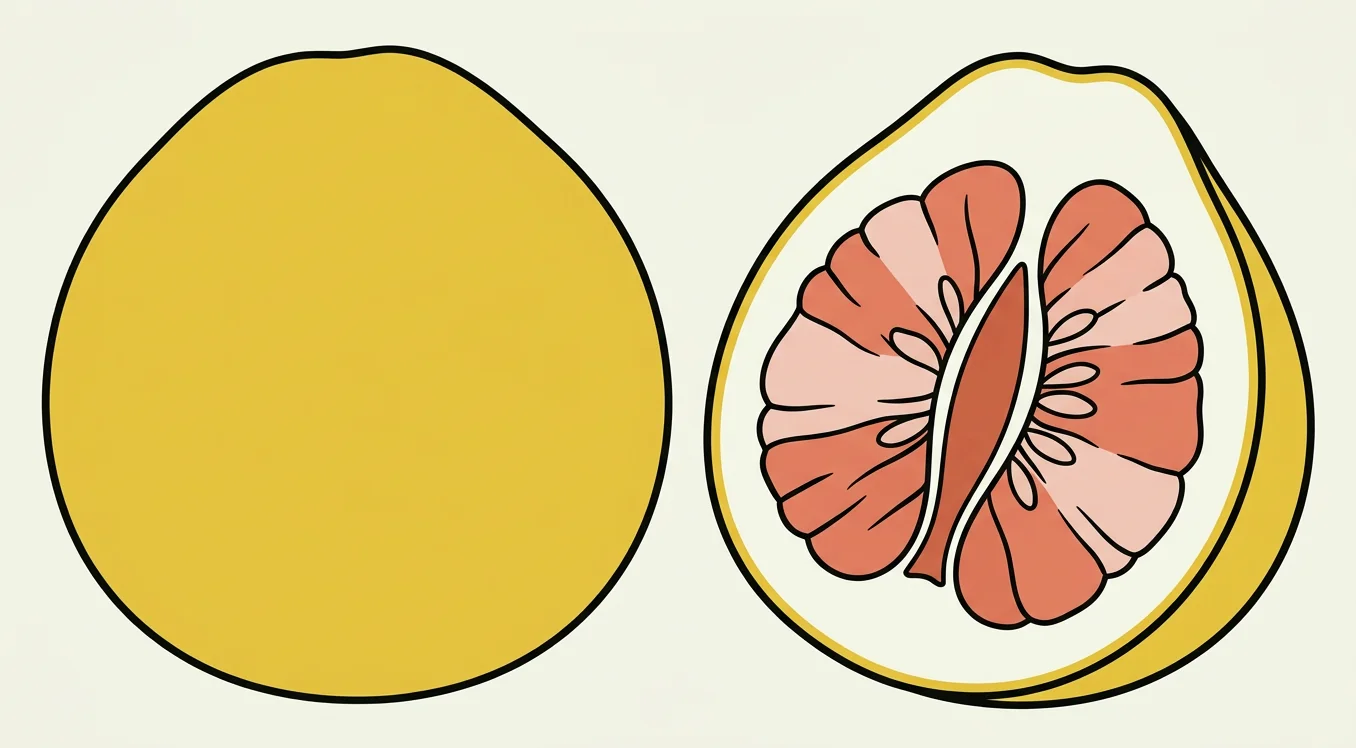
The Chandler pomelo holds a unique distinction in the citrus world: it’s the only pomelo variety developed specifically for the American market, bred at one of the world’s premier citrus research institutions. With its pink flesh, balanced sweet-tart flavor, and reliable performance in California orchards, the Chandler has become the go-to pomelo in the United States.
What Is a Chandler Pomelo?
The Chandler pomelo is a cultivar of Citrus maxima developed at the University of California, Riverside Citrus Research Center. It was created in 1961 through a cross between two Thai pomelo varieties, Siamese Sweet and Siamese Pink, by Dr. J. W. Cameron. The cultivar was evaluated over a decade and officially released for commercial production in 1971.
The variety was named after the nearby city of Chandler, reflecting its California origins. Since its release, it has become the most widely planted pomelo variety in the United States, particularly in the San Joaquin Valley, the Coachella Valley, and coastal Southern California growing regions.
If you’re new to pomelos in general, see our guide to what a pomelo is for broader context on the species.
Appearance and Taste
The Chandler pomelo is visually distinctive among pomelo varieties:
Size: Medium to large for a pomelo, typically 5 to 7 inches in diameter and 1.5 to 3 pounds. Smaller than many Asian pomelo varieties but still significantly larger than a grapefruit.
Exterior: Smooth, pale yellow-green rind that turns golden yellow when fully ripe. The rind is moderately thick (about 0.5 to 1 inch of pith), though thinner than many Asian varieties.
Flesh: The Chandler’s defining characteristic. The segments contain beautiful pink to light rose-colored flesh, ranging from pale blush in some fruit to deeper salmon-pink in others. The color comes from lycopene, the same pigment that gives tomatoes and pink grapefruit their hue.
Flavor: Sweet with a gentle tartness and minimal bitterness. Among pomelo varieties, the Chandler is considered one of the best balanced. Sweet enough to eat on its own, but with enough acidity to keep things interesting. The bitterness that turns many people away from grapefruit is largely absent.
Texture: Firm, well-defined juice vesicles that separate cleanly from the membrane. Less juicy than grapefruit but more succulent than many white-fleshed pomelo varieties.
Seeds: Moderate seed count (10-20 seeds per fruit). Some fruit may have fewer seeds depending on pollination.
Chandler Pomelo Nutrition
Like all pomelos, the Chandler is nutritionally impressive. Per 100 grams of flesh:
| Nutrient | Amount |
|---|---|
| Calories | 38 kcal |
| Vitamin C | 61 mg (68% DV) |
| Potassium | 216 mg |
| Fiber | 1.0 g |
The pink flesh contains lycopene, a carotenoid antioxidant not found in white-fleshed pomelo varieties. Lycopene is associated with reduced risk of certain cancers and cardiovascular disease in epidemiological studies. This gives the Chandler a slight nutritional edge over white pomelos. See our full pomelo nutrition guide for detailed analysis.
Growing Chandler Pomelo
The Chandler was bred for California conditions and performs best in warm, dry climates with mild winters.
Climate: USDA zones 9b-11. The Chandler tolerates more cold than some tropical pomelo varieties but is still sensitive to hard freezes. Temperatures below 28°F (-2°C) can cause significant damage.
Harvest season: November through January in California, with peak quality in December. Leave fruit on the tree until fully ripe. Pomelos don’t ripen well after picking.
Tree size: Semi-vigorous grower reaching 12-20 feet at maturity, depending on rootstock. More manageable than many pomelo varieties, making it suitable for home gardens.
Rootstock: Most commercially available Chandler trees are grafted onto trifoliate orange or Carrizo citrange rootstock for cold tolerance and disease resistance. Grafted trees fruit in 3-5 years versus 8-15 years for seed-grown trees.
For detailed growing instructions, see our complete pomelo growing guide.
Where to Buy Chandler Pomelos
Fresh fruit:
- California farmers markets (November-February), where you’ll find the freshest, tree-ripened Chandler pomelos
- Specialty produce stores and co-ops
- Some mainstream supermarkets in California and the Western US carry them seasonally
- Online fruit delivery services during peak season
Trees for growing:
- Local nurseries in citrus-growing regions
- Online citrus nurseries that ship grafted trees nationwide
- UC Riverside’s Citrus Variety Collection occasionally offers budwood to licensed nurseries
Best Uses
The Chandler’s balanced flavor and attractive pink color make it versatile in the kitchen:
- Fresh eating: The Chandler is one of the best pomelos for eating out of hand, thanks to its sweetness and manageable bitterness
- Salads: The pink flesh adds beautiful color contrast to Thai pomelo salad and other preparations
- Desserts: Excellent in mango pomelo sago and other chilled desserts where the color is showcased
- Juicing: Produces a beautiful pink juice with a mild, sweet flavor
- Candied peel: The moderately thick rind makes good candied peel
Frequently Asked Questions
Is the Chandler the sweetest pomelo?
The Chandler is among the sweetest varieties widely available in the US, but some Thai and Chinese varieties (particularly certain honey pomelo strains) can be sweeter. Among pink-fleshed pomelos, the Chandler has one of the best sweet-tart balances.
Can I grow Chandler pomelo outside California?
Yes, in any area with a suitable climate (USDA zones 9b through 11). Texas, Florida, Arizona, and Hawaii can all support Chandler pomelo trees. In zones 8-9a, container growing with winter protection is an option.
How big does a Chandler pomelo tree get?
On standard rootstock, 15-20 feet tall with a similar spread. On dwarfing rootstock (Flying Dragon trifoliate), trees stay 8-12 feet tall, making them suitable for smaller gardens and large containers.
How is Chandler different from other pink pomelos?
The Chandler was specifically bred for consistent quality in American growing conditions. Compared to Thai red pomelos (like Thongdi), the Chandler tends to be slightly smaller with thinner rind and a more balanced flavor. It’s also more cold-tolerant than most tropical varieties.
Last updated March 9, 2026