What Is a Shaddock? The Fruit Also Known as Pomelo
Learn what a shaddock fruit is, where the name comes from, and why it's the same fruit as a pomelo. Discover the history behind this citrus name.
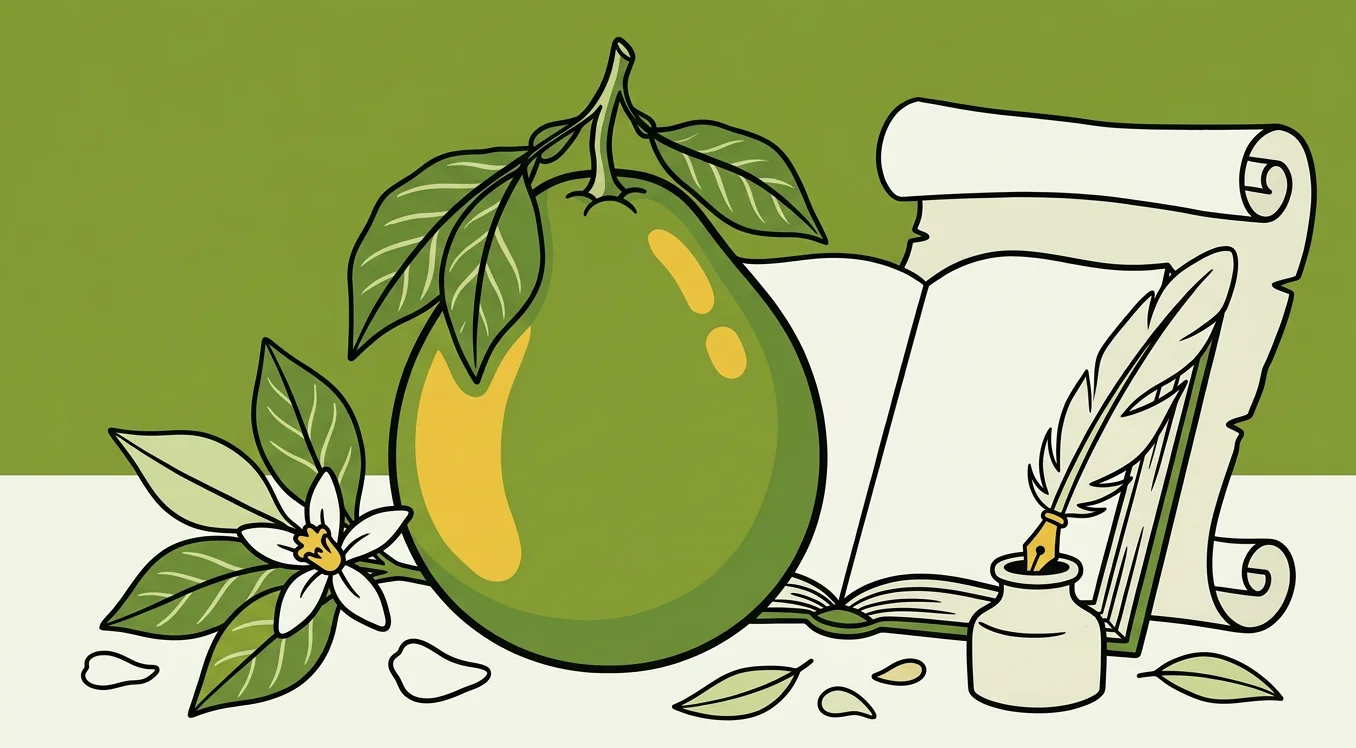
If you’ve come across the word “shaddock” on a menu, in a recipe, or during a trip to the Caribbean and wondered what it refers to, the answer is simple: a shaddock is a pomelo. Same fruit, same species, different name.
The story behind how one citrus fruit ended up with two completely different common names is one of the more colorful tales in agricultural history, involving a 17th-century sea captain, colonial trade routes, and centuries of botanical confusion.
Shaddock Is a Pomelo
The shaddock and the pomelo are the same fruit. They share the same scientific classification, Citrus maxima (also historically listed as Citrus grandis), and belong to the same species. There’s no botanical distinction between a fruit labeled “shaddock” and one labeled “pomelo.”
Both names refer to the largest member of the citrus family, a thick-skinned fruit with sweet, segmented flesh that can weigh anywhere from 2 to 6 pounds or more. Whether you call it a shaddock or a pomelo depends largely on where you are in the world and which linguistic tradition you grew up with.
The confusion sometimes goes further. For much of the 18th and 19th centuries, botanists and traders didn’t clearly distinguish between pomelos and grapefruits, often applying the name “shaddock” to both. Modern genetic analysis has settled the question: the shaddock/pomelo is an original citrus species, while the grapefruit is a younger hybrid descended from it.
Where the Name “Shaddock” Comes From
The name “shaddock” traces back to a specific historical figure: Captain Philip Chaddock (also spelled Shaddock in later records), an English trader associated with the East India Company who visited Barbados around 1649.
According to the widely repeated account, Captain Chaddock brought pomelo seeds from the East Indies and either planted them or left them in Barbados during a stop on his trade route. The fruit took hold in the Caribbean, and locals began calling it by the captain’s name. Over time, “Chaddock” was anglicized to “Shaddock,” and the name stuck across the English-speaking Caribbean.
Citrus historians have debated the precise details. Researchers in the 20th century had difficulty confirming the existence of a “Captain Shaddock” by that exact name, though subsequent archival work identified a Captain Chaddock who was active in the West Indian trade during the correct period. The legend, while embellished over centuries, appears to have a factual basis.
What is certain is that pomelo seeds did arrive in the Caribbean from Southeast Asia during the mid-17th century, carried by European traders along the maritime spice routes. The fruit thrived in the tropical climate and became widely cultivated across Barbados, Jamaica, and other islands.
It was in Barbados, incidentally, that the pomelo would make its most significant genetic contribution to world agriculture. Sometime in the early 18th century, a natural cross between the shaddock and the sweet orange produced the grapefruit, first documented in 1750 as “the forbidden fruit”.
Other Names for Pomelo
The shaddock/pomelo goes by a remarkable number of names around the world, reflecting its long history of cultivation across many cultures:
- Pomelo (or pummelo): The most common international name, used throughout North America, Europe, and much of Asia. The spelling “pummelo” is preferred by some horticultural authorities to distinguish it from the European word “pomelo,” which in some languages refers to grapefruit.
- Shaddock: Used primarily in the Caribbean, parts of the American South, and in older British English texts.
- Jabong: Used in Hawaii, derived from the Portuguese word for citrus.
- Lusho or lukban: Used in the Philippines.
- Som-o: The Thai name, widely used across Southeast Asia.
- You or youzi: The Mandarin Chinese name. The pomelo plays a central role in Chinese New Year and Mid-Autumn Festival celebrations.
- Chinese grapefruit: A common informal name in Western markets, though technically misleading since the pomelo isn’t a grapefruit.
- Bali orange (jeruk Bali): The Indonesian name, referencing the island of Bali.
This diversity of names reflects the pomelo’s deep roots across multiple continents and culinary traditions. For more on the cultural significance of pomelo, including its role in Asian festivals and folklore, see our culture section.
What Does a Shaddock Look Like and Taste Like?
Since a shaddock is a pomelo, its physical characteristics and flavor are identical to what you would find described under the pomelo name.
Appearance: Shaddocks are large, round to pear-shaped citrus fruits measuring 6 to 10 inches across. The outer skin ranges from pale green to golden yellow. Beneath the skin lies a thick layer of spongy white pith, often an inch deep or more. The segmented flesh inside can be white, pale yellow, pink, or deep red depending on the variety.
Taste: The flavor is sweet and gently citrusy, with floral undertones and considerably less bitterness than grapefruit. White-fleshed varieties tend to be milder and sweeter, while pink and red varieties carry a slightly more complex, tart edge. The texture is distinctive: firm, somewhat dry segments with individually discernible juice vesicles.
Common varieties: The same varieties marketed as pomelo are the same ones you might encounter labeled as shaddock in the Caribbean or in older references:
- Honey pomelo: White-fleshed, very sweet, the most commercially available type.
- Chandler: Pink-fleshed, developed in California, sweet-tart flavor.
- Thongdi: Thai variety with pink-red flesh, notably sweet and juicy.
- African shaddock: A term sometimes applied to smaller, more tart pomelo varieties grown in West Africa and the Caribbean.
Frequently Asked Questions
Is a shaddock the same as a pomelo?
Yes. A shaddock and a pomelo are the same fruit, Citrus maxima. The name “shaddock” originates from Captain Philip Chaddock, who reportedly introduced the fruit to Barbados in the 17th century. “Pomelo” is the more widely used name internationally, while “shaddock” persists in the Caribbean and some older English texts.
Is a shaddock the same as a grapefruit?
No. While the names were used interchangeably for centuries, modern genetics has established that the shaddock (pomelo) and the grapefruit are distinct fruits. The grapefruit is a hybrid created by a natural cross between the shaddock and the sweet orange. The shaddock is larger, sweeter, and has a thicker rind. See our full pomelo vs grapefruit guide for a detailed comparison.
Where can I buy a shaddock?
If you’re looking for a shaddock, search for “pomelo” at your grocery store, as that’s the name most commonly used in retail. Asian grocery stores carry pomelos year-round, while mainstream supermarkets stock them seasonally from November through February. In the Caribbean, the fruit may still be sold under the name “shaddock” at local markets. See our buying guide for tips on picking a good one.
Last updated March 9, 2026