What Is a Pomelo? Everything You Need to Know About the World's Largest Citrus Fruit
Discover what a pomelo fruit is, how it tastes, where it comes from, and why this giant citrus is gaining popularity. Your complete guide to Citrus maxima.
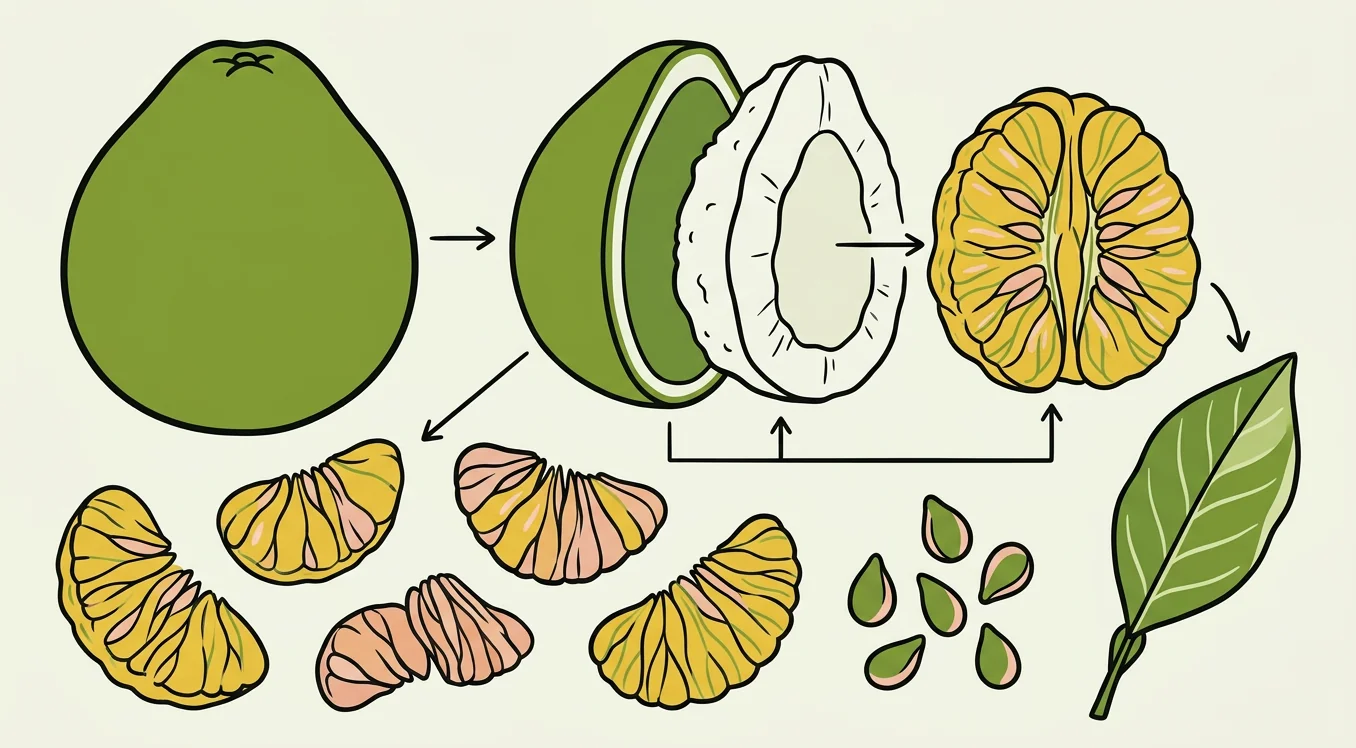
If you’ve ever walked through the produce section of an Asian grocery store, you’ve probably spotted them: massive, pale-green orbs wrapped in cellophane, dwarfing every other fruit on the shelf. That’s the pomelo, and despite being the largest citrus fruit in the world, it remains one of the least understood in Western markets.
The pomelo deserves far more attention than it gets. It’s sweeter than grapefruit, more aromatic than an orange, and plays a foundational role in the genetics of nearly every citrus fruit you already love.
What Is a Pomelo?
The pomelo (Citrus maxima, also classified as Citrus grandis) is a large citrus fruit belonging to the family Rutaceae. It’s one of the three original, non-hybrid citrus species, alongside the mandarin and the citron. Every other common citrus fruit, from oranges to lemons to grapefruit, descends in part from these three ancestors.
Pomelos are impressive in size. A typical fruit measures 6 to 10 inches in diameter and weighs between 2 and 4 pounds, though specimens exceeding 6 pounds aren’t uncommon in tropical growing regions. The fruit has a distinctive thick rind, often an inch or more of spongy white pith beneath a pale green to yellow outer skin. Inside, you’ll find large, well-defined segments of flesh that range from pale white to deep pink depending on the variety.
The scientific name Citrus maxima translates literally to “greatest citrus,” a fitting title for a fruit that holds the record as the largest member of the citrus family. In some older botanical texts and in many Caribbean-speaking regions, the pomelo is known as a shaddock, a name with its own fascinating history.
Pomelo vs Grapefruit: Key Differences
The most common question about pomelos is whether they’re just oversized grapefruits. They’re not, and the distinction matters.
The pomelo is actually an ancestor of the grapefruit. The grapefruit (Citrus x paradisi) is a natural hybrid that arose in Barbados in the 18th century from a cross between the pomelo and the sweet orange. Approximately 63% of the grapefruit genome comes from pomelo, which explains the family resemblance.
In practical terms, pomelos are larger, have a much thicker rind, and produce firmer, drier flesh segments. The flavor is notably sweeter and lacks the sharp bitterness many people associate with grapefruit. For a detailed breakdown of how these two fruits compare on taste, nutrition, and uses, see our full pomelo vs grapefruit comparison.
Types of Pomelo
Pomelos come in a wider range of varieties than most people realize. The flesh color spans from ivory white to blush pink to deep ruby red, and flavor profiles vary from honey-sweet to mildly tart.
The most common varieties you’ll encounter include:
- Honey pomelo: The most widely available variety in Western supermarkets. Pale yellow-green skin with white flesh, known for its mild sweetness. Often sold wrapped in plastic netting and labeled as “Chinese pomelo.”
- Chandler pomelo: Developed at the University of California, Riverside. Pink flesh with a sweet-tart balance. The most popular variety grown in the United States.
- Thai pomelo (Thongdi): Round with pinkish-red flesh. Sweeter and juicier than many other varieties, prized in Southeast Asian markets.
- Valentine pomelo: A pomelo-mandarin hybrid with red flesh. Seedless and easy to peel, making it increasingly popular at farmers markets.
- Indonesian pomelo (Jeruk Bali): Large fruit with greenish skin even when ripe. Commonly found across Southeast Asia.
Each variety has its own peak season and flavor characteristics. For the full rundown, see our pomelo varieties guide.
Where Do Pomelos Come From?
The pomelo originated in Southeast Asia, with its center of diversity spanning southern China, Malaysia, Thailand, and the Indonesian archipelago. Archaeological and genetic evidence suggests the species has been cultivated for thousands of years, making it one of the oldest domesticated citrus fruits.
From its Asian origins, the pomelo traveled along trade routes to India and the Middle East, eventually reaching Europe by the 14th century. In the 17th century, seeds were carried to the Caribbean, likely by an English sea captain named Chaddock (later anglicized to “Shaddock”), giving the fruit its alternate name in the region.
Today, the largest producers of pomelos are China, Thailand, Vietnam, and Indonesia. China alone accounts for the majority of global production, with Fujian and Guangdong provinces serving as major growing regions. In the United States, pomelos are grown on a smaller scale in California, Texas, and Florida.
Availability in Western markets has expanded significantly over the past two decades. What was once confined to specialty Asian grocery stores can now be found seasonally in major supermarket chains, typically from November through February. Check our buying guide for tips on finding and selecting pomelos.
What Does a Pomelo Taste Like?
If you’ve never eaten a pomelo, imagine the sweetness of a ripe orange layered with a subtle floral quality, a touch of honey, and none of the aggressive bitterness you might expect from a large citrus fruit.
The flavor profile varies by variety:
- White-fleshed pomelos (like the honey pomelo) tend to be the mildest and sweetest, with clean citrus notes and a gentle floral aroma.
- Pink and red-fleshed varieties often have a slightly more complex, tart edge and a richer, more aromatic character.
The texture sets pomelos apart from other citrus. The flesh segments are firmer and drier than grapefruit or orange, with each vesicle (the individual juice sacs) feeling distinctly separate. Many people describe the texture as satisfying and almost “meaty.” The membrane between segments is thicker than in other citrus and is typically removed before eating, which reveals the cleanly separated, jewel-like flesh inside.
One thing to know: a pomelo that tastes excessively bitter or bland is likely underripe or past its prime. A good pomelo should taste predominantly sweet with only the faintest hint of bitterness at the finish.
Pomelo Nutrition at a Glance
Pomelos are a nutritional standout in the citrus family. Per 100 grams of raw flesh (roughly half a cup of segments), pomelo provides the following:
| Nutrient | Amount per 100g | % Daily Value |
|---|---|---|
| Calories | 38 kcal | — |
| Carbohydrates | 9.6 g | 3% |
| Dietary fiber | 1.0 g | 4% |
| Vitamin C | 61 mg | 68% |
| Potassium | 216 mg | 6% |
| Protein | 0.76 g | 2% |
| Fat | 0.04 g | <1% |
A single cup of pomelo segments provides well over 100% of your daily vitamin C, making it one of the most efficient natural sources of this nutrient. Pomelos also supply meaningful amounts of potassium, thiamine (vitamin B1), and copper.
With only 38 calories per 100 grams and high water content (about 89%), pomelos make a great snack for anyone watching their calorie intake. For a deeper look at pomelo’s health benefits, visit our pomelo nutrition guide.
How to Eat a Pomelo
Eating a pomelo requires a slightly different approach than peeling an orange, but the process is straightforward once you know the technique.
Start by scoring the thick rind with a knife, cutting through the pith in quarters from top to bottom without piercing the flesh. Peel away the rind sections to reveal the fruit inside. Then separate the individual segments and peel the thick membrane away from each one. The flesh inside will come away cleanly.
Common ways to enjoy pomelo include:
- Fresh: Simply eat the segments on their own. This is the most popular method across Asia.
- In salads: Pomelo segments add a sweet citrus element to salads. Thai pomelo salad (yam som-o) is a classic preparation.
- As a garnish: Break segments into smaller pieces to top yogurt, oatmeal, or desserts.
- In drinks: Muddle pomelo flesh into cocktails or blend into smoothies.
For a complete step-by-step guide with tips for selecting and preparing pomelo, see our article on how to eat a pomelo.
Frequently Asked Questions
Is pomelo the same as grapefruit?
No. Pomelo and grapefruit are related but distinct fruits. The pomelo is one of the original citrus species, while the grapefruit is a hybrid that arose from a cross between pomelo and sweet orange. Pomelos are larger, sweeter, and have a thicker rind. See our full pomelo vs grapefruit comparison for details.
Is pomelo good for you?
Yes. Pomelo is low in calories, high in vitamin C (one serving provides over 100% of your daily needs), and a good source of potassium and fiber. It’s also rich in antioxidants. Like grapefruit, pomelo contains furanocoumarins that can interact with certain medications, so check with your healthcare provider if you take prescription drugs.
What does pomelo taste like?
Pomelo tastes sweet and mildly citrusy, with floral notes and very little bitterness compared to grapefruit. The texture is firmer and drier, with individually distinct juice vesicles. White-fleshed varieties tend to be the sweetest, while pink and red varieties have a slightly more tart character.
How big do pomelos get?
Most pomelos sold commercially weigh 2 to 4 pounds and measure 6 to 10 inches in diameter. However, the fruit can grow much larger. Specimens weighing over 6 pounds and measuring a foot or more in diameter have been documented, particularly in tropical growing regions where the trees reach full maturity.
Where can I buy a pomelo?
Pomelos are available year-round at most Asian grocery stores and seasonally (November through February) at major supermarkets including Whole Foods, Costco, and many regional chains. Look for them in the specialty produce section. Online fruit delivery services also carry them during peak season. For tips on choosing a ripe pomelo, visit our buying guide.
Last updated March 9, 2026