How to Grow Pomelo Trees: The Complete Growing Guide
Everything you need to know about growing pomelo trees — climate requirements, planting, care, harvesting, container growing, and common problems.
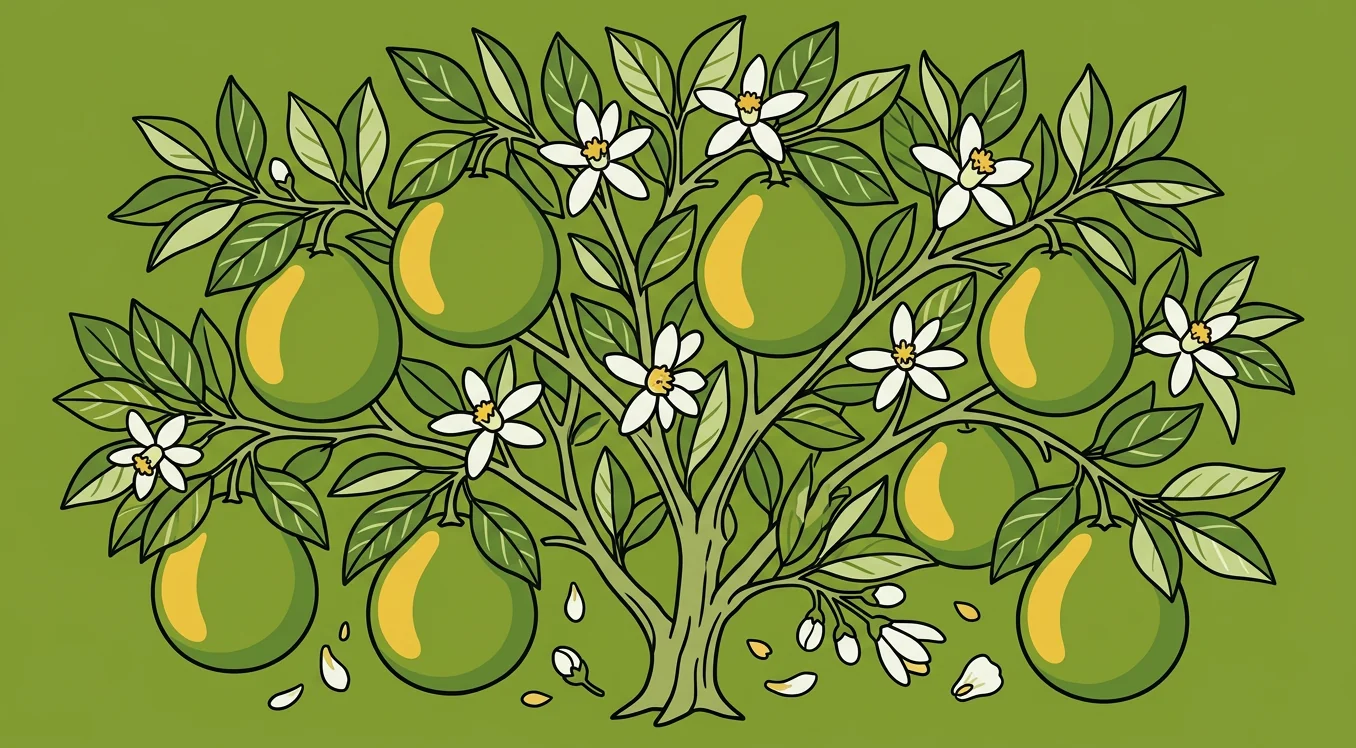

The pomelo tree (Citrus maxima) is a subtropical evergreen that produces the largest fruit in the citrus family. Growing one at home is a rewarding long-term project. Mature trees are productive, attractive, and can live for decades.
This guide covers planting, care, harvesting, and container growing for pomelo trees in the ground and in pots.
Pomelo Tree Overview
The pomelo is native to Southeast Asia and has been cultivated for thousands of years across southern China, Thailand, Vietnam, Malaysia, and Indonesia. It is one of the three original, non-hybrid citrus species (along with mandarin and citron), making it an ancestor of many common citrus fruits including the grapefruit.
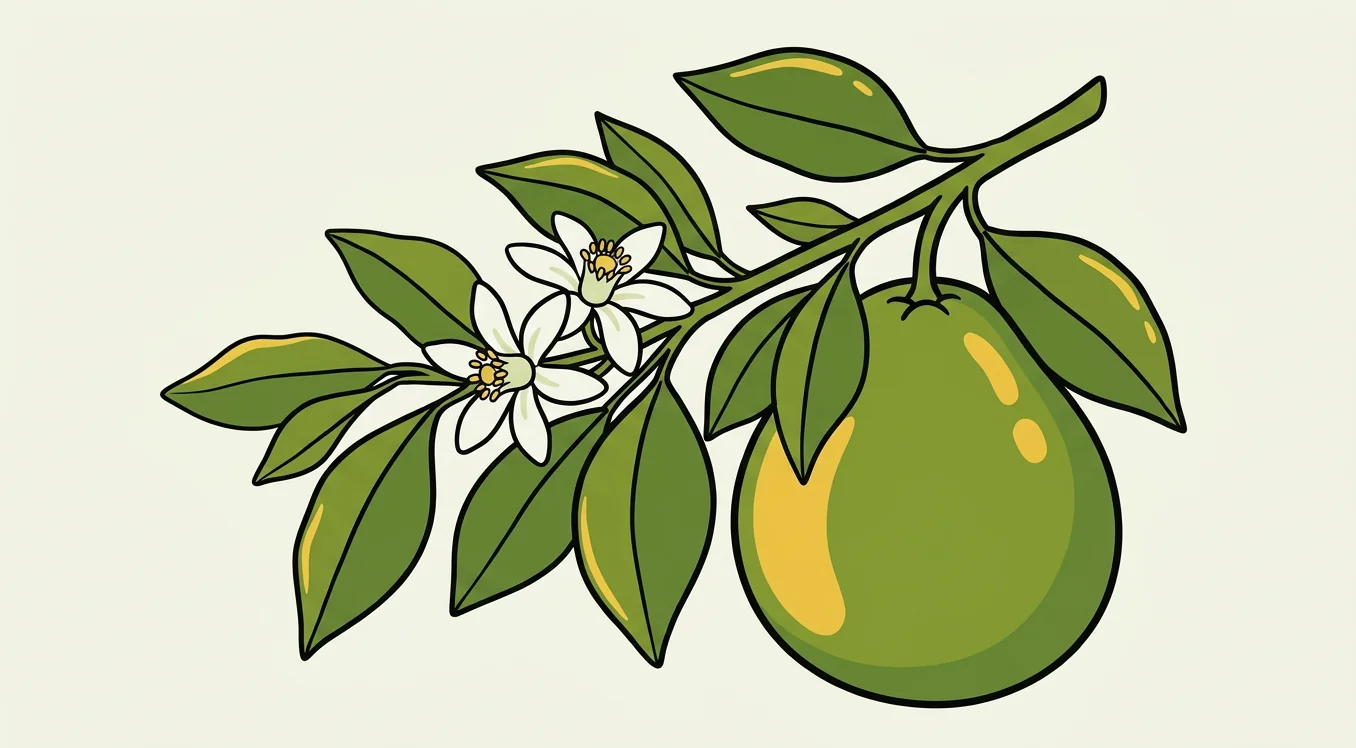
In cultivation, pomelo trees grow 15 to 25 feet tall with a spreading, rounded canopy. The leaves are large, glossy, and dark green, with a distinctive winged petiole (leaf stalk). Trees produce fragrant white flowers, typically in spring, followed by fruit that matures over 5 to 8 months.
The fruit itself is impressive — ranging from 6 to 10 inches in diameter and 2 to 6 pounds at maturity, depending on the variety, with a remarkable diversity of cultivars grown worldwide.
Climate Requirements
Pomelo trees are tropical to subtropical plants with specific climate needs. Understanding these requirements is the first step in deciding whether you can grow one successfully.
Temperature
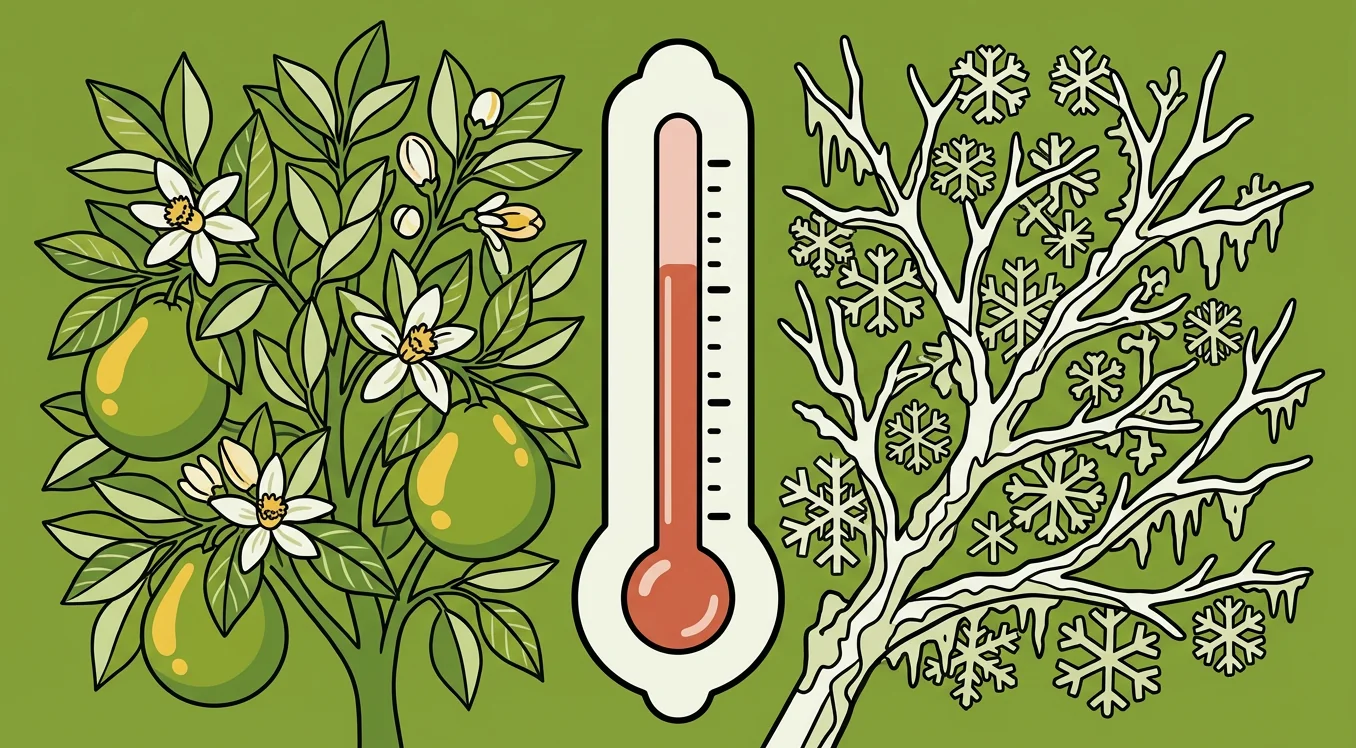
Pomelo is among the least cold-hardy citrus species. Key temperature thresholds:
- Ideal range: 75-95°F (24-35°C) during the growing season
- Minimum for fruit production: Consistent warmth above 60°F (15°C)
- Leaf damage: Below 32°F (0°C)
- Serious damage or death: Below 28°F (-2°C) for extended periods
Young trees are more cold-sensitive than established ones. Even in suitable climates, protect young trees during their first few winters.
USDA Hardiness Zones
Pomelo grows best in USDA zones 10-11 outdoors. Zone 9b is marginal — possible with cold protection and a favorable microclimate (south-facing wall, urban heat island, etc.), but fruit quality may suffer.
For a detailed breakdown of regional growing conditions, see our pomelo growing zones guide.
Sunlight
Pomelo trees need full sun — at minimum 6 to 8 hours of direct sunlight daily. In hot climates (100°F+), some afternoon shade can help prevent sunburn on fruit and young bark.
Humidity
As a tropical species, pomelo appreciates moderate to high humidity (50-80%). In very dry climates like inland California, regular irrigation and mulching help compensate for low atmospheric moisture.
Planting a Pomelo Tree
Site Selection
Choose a planting site that offers:
- Full sun exposure
- Protection from cold winds (north/northwest winds in particular)
- Well-drained soil — pomelo trees are highly susceptible to root rot in waterlogged conditions
- Space for a mature canopy (15-25 feet spread)
- At least 15 feet from structures and other large trees
Soil Requirements
Pomelo trees prefer:
- pH: 5.5-6.5 (slightly acidic)
- Texture: Sandy loam or loam with good drainage
- Organic matter: Moderate to high
If your soil is heavy clay, consider planting in a raised mound or amending heavily with compost and coarse sand. Standing water around citrus roots is the fastest path to tree death.
Grafted vs. Seed-Grown Trees
Most pomelo trees sold commercially are grafted — a pomelo scion (top growth) attached to a different citrus rootstock (typically trifoliate orange, Cleopatra mandarin, or sour orange). Grafted trees offer several advantages:
- Fruit production in 3-5 years (vs. 8-15 years from seed)
- True-to-type fruit matching the parent variety
- Disease-resistant rootstock
- More compact growth habit
Growing pomelo from seed is possible and educational, but expect a much longer wait for fruit, and the fruit may differ from the parent.
Planting Technique
- Dig a hole 2-3 times the width of the root ball but no deeper
- Set the tree so the graft union (visible bump on the trunk) sits 2-3 inches above soil level
- Backfill with native soil (avoid amendments in the hole itself — they can create a “bathtub” effect)
- Water deeply and slowly to eliminate air pockets
- Apply 3-4 inches of mulch around the base, keeping it 6 inches from the trunk
Pomelo Tree Care
Watering
Pomelo trees need consistent moisture but cannot tolerate soggy roots. General guidelines:
- Young trees (years 1-3): Water deeply every 3-5 days during the growing season
- Established trees: Water deeply every 7-14 days, depending on heat and rainfall
- Signs of overwatering: Yellow leaves, root rot, leaf drop
- Signs of underwatering: Wilting, curled leaves, premature fruit drop
The most common mistake is overwatering. Let the top 2-3 inches of soil dry between waterings. Drip irrigation on a timer is the most reliable method.
Fertilizing
Citrus trees are heavy feeders. Pomelo fertilization schedule:
- Frequency: 3-4 times per year (February, May, July, September in Northern Hemisphere)
- Type: Citrus-specific fertilizer with an NPK ratio around 2-1-1, plus micronutrients (iron, zinc, manganese)
- Amount: Follow product label for tree size/age
- Application: Spread under the canopy drip line, not against the trunk
Yellowing leaves with green veins often indicate iron deficiency — common in alkaline soils. Treat with chelated iron spray or soil drench.
Pruning
Pomelo trees require minimal pruning compared to many fruit trees:
- Remove: Dead, diseased, or crossing branches
- Shape: Light shaping when young to establish good structure
- Suckers: Remove any growth below the graft union immediately — this is rootstock growth, not pomelo
- Timing: Prune in late winter or early spring before new growth
- Avoid: Heavy pruning, which reduces fruit production and exposes bark to sunburn
Pest Management
Common pomelo pests include:
- Citrus leafminer: Larvae tunnel through new leaves. Damage is cosmetic on established trees. Treat young trees with spinosad if severe.
- Asian citrus psyllid: Vectors citrus greening disease (HLB). Report sightings to your agricultural extension office. Critical pest in Florida and parts of California.
- Scale insects: Brown or white bumps on bark and leaves. Treat with horticultural oil.
- Citrus mites: Cause bronze or silver discoloration on fruit skin. Predatory mites and miticide sprays are effective.
From Flower to Fruit
Understanding the pomelo fruiting cycle helps set expectations:
- Flowering: Late winter to early spring (February-April in most regions). Flowers are large, white, and intensely fragrant.
- Fruit set: Small green fruit appear after pollination. Many will naturally drop (called “June drop”) — this is normal.
- Development: Fruit grows and matures over 5 to 8 months after flowering.
- Harvest: Typically November through February, depending on variety and climate.
Most pomelo varieties are self-fertile, but cross-pollination with another citrus tree can increase fruit set and reduce seeds.
Harvesting
Pomelos do not ripen significantly after picking. Harvest cues:
- Color: Skin turns from green to pale yellow-green or golden (varies by variety)
- Feel: Slight give when pressed
- Timing: Allow fruit to stay on the tree until fully ripe — early picking results in dry, bland fruit
- Method: Clip fruit with pruning shears, leaving a short stem stub. Do not pull or twist.
A mature pomelo tree can produce 100-200 pounds of fruit per year once established.
Container Growing
Pomelo trees can be grown in containers in zones 8 and colder, brought indoors during winter.
Container Requirements
- Size: Start with a 15-gallon pot; move to 25-gallon as the tree grows
- Material: Fabric pots or plastic with drainage holes. Terracotta dries out quickly in hot weather.
- Soil: Well-draining citrus potting mix (not garden soil)
Dwarf Varieties
Standard pomelo trees grow too large for long-term container life. Look for dwarf or semi-dwarf varieties grafted onto dwarfing rootstock (like Flying Dragon trifoliate). These stay 6-10 feet tall and produce full-sized fruit. See our pomelo tree guide for more on container care.
Winter Care (Cold Climates)
- Move containers indoors before first frost
- Place near the brightest south-facing window, or supplement with a grow light (10-12 hours)
- Reduce watering but do not let the soil dry completely
- Avoid placing near heating vents
- Resume outdoor placement after last frost in spring
Common Problems
| Problem | Likely Cause | Solution |
|---|---|---|
| Yellow leaves, green veins | Iron chlorosis | Chelated iron drench; check soil pH |
| Leaf drop | Overwatering or cold stress | Reduce watering; protect from cold |
| Fruit splitting | Irregular watering | Maintain consistent moisture |
| Small, dry fruit | Underwatering or nutrient deficiency | Deep water; fertilize properly |
| No fruit after 5+ years | Insufficient sun, cold, or seed-grown tree | Ensure full sun; consider grafted tree |
| Sooty mold on leaves | Aphid/scale honeydew secretions | Treat the pest (horticultural oil) |
Last updated March 9, 2026