Pomelo Varieties: A Complete Guide to Every Type of Pomelo
Explore all major pomelo varieties from white-fleshed honey pomelo to pink Chandler and red Valentine. Compare flavors, sizes, and find the right pomelo for you.
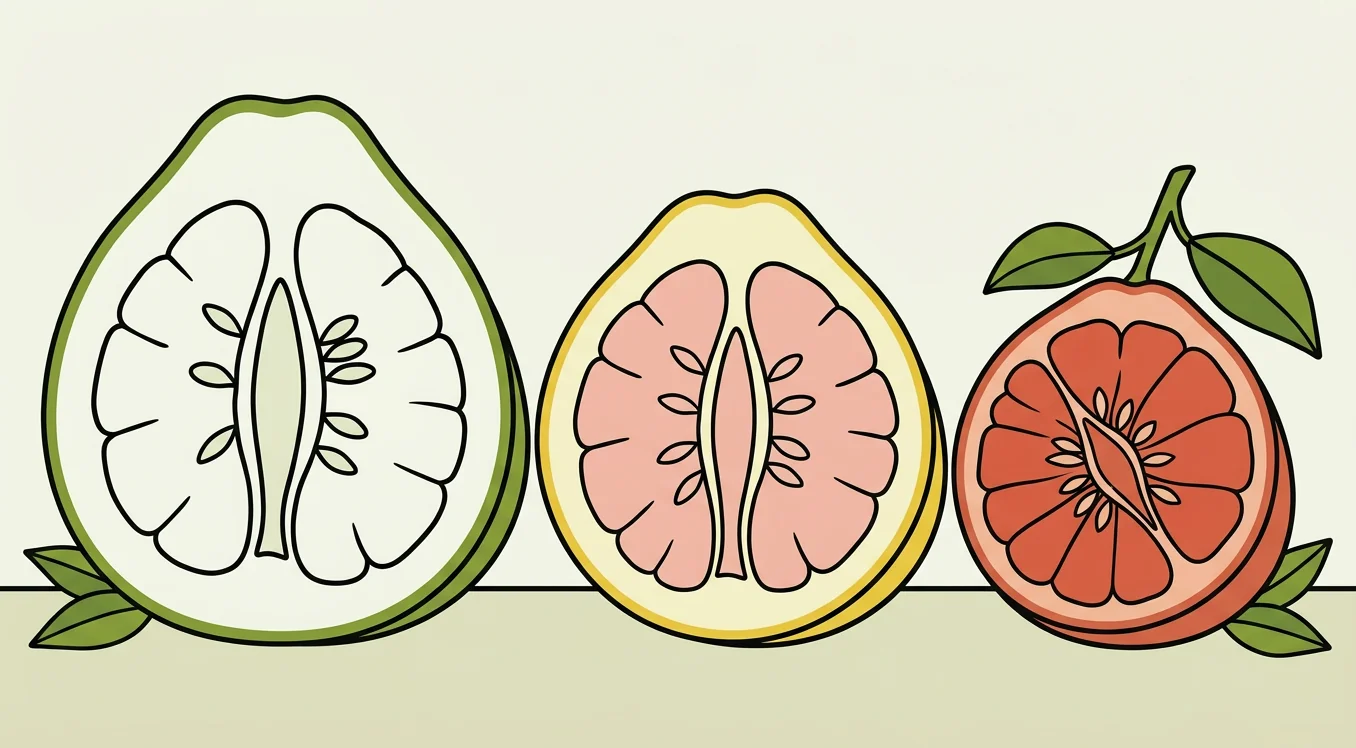


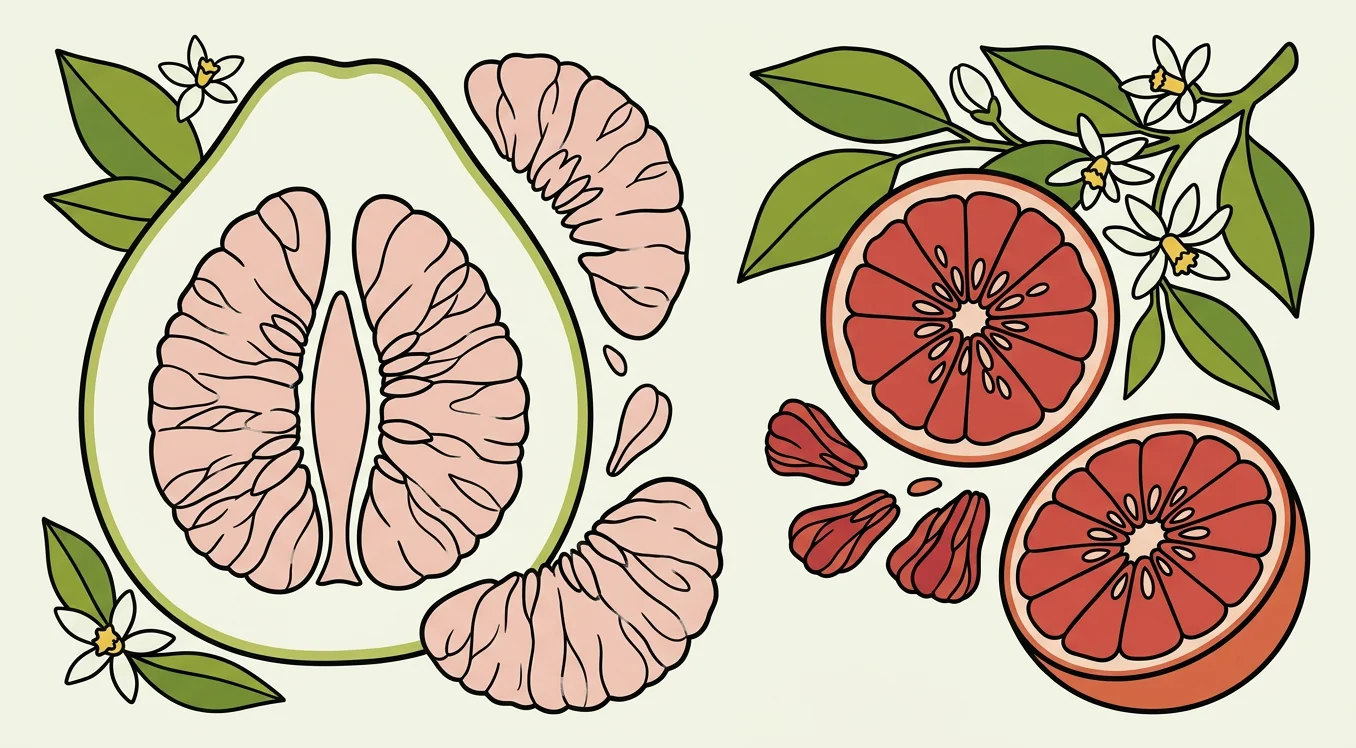
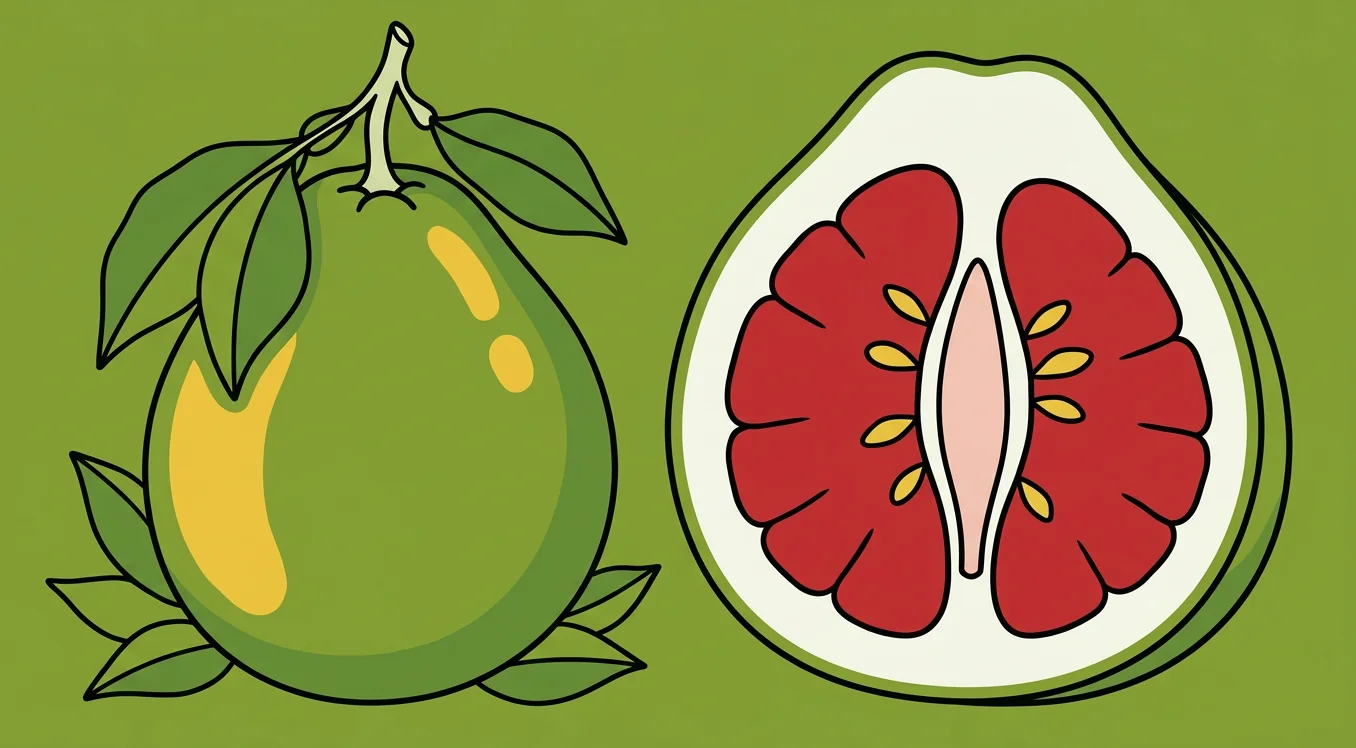
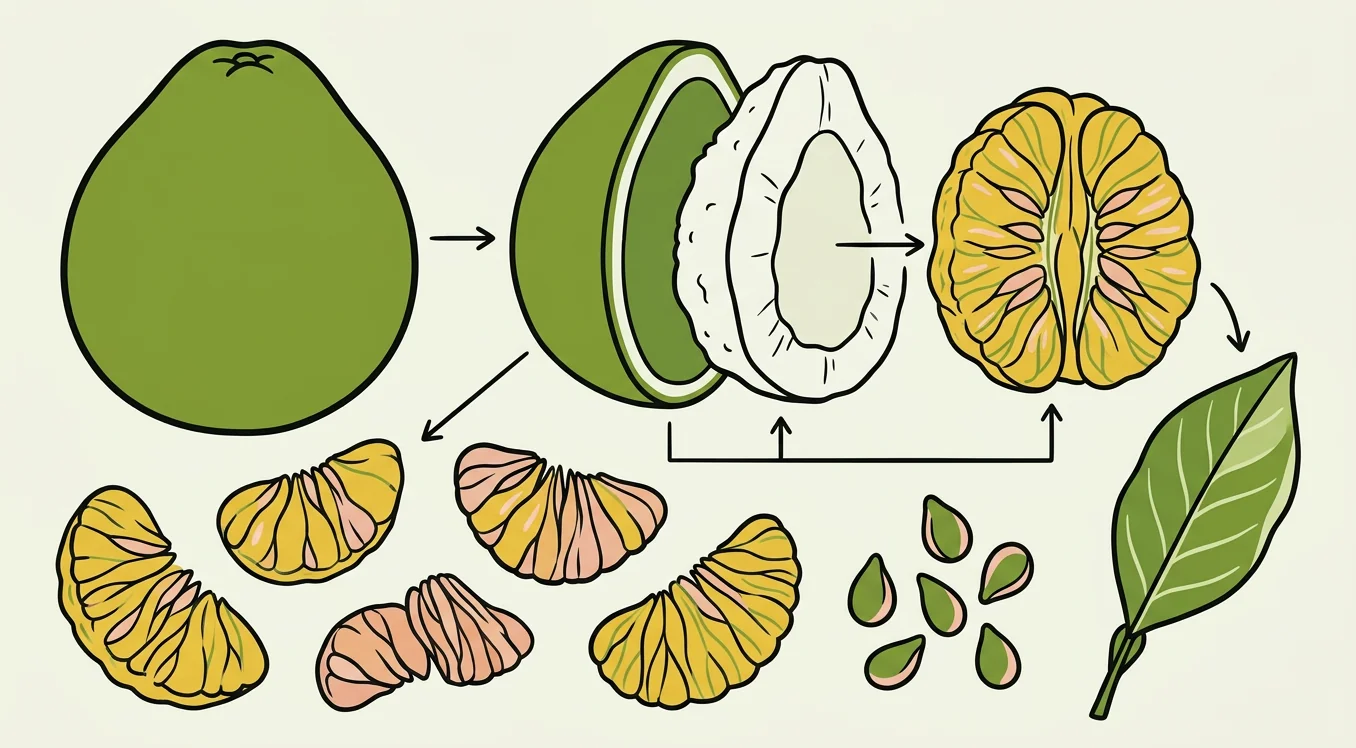

Walk into a well-stocked Asian grocery store during peak pomelo season and you might find three, four, even five distinct types on the shelves. Some are pale green and round. Others are golden and pear-shaped. A few have pink or red flesh visible through translucent skin. They all carry the same generic label, “pomelo,” but they’re not the same fruit.
Choosing the right variety makes a real difference in flavor, texture, and how you use the fruit. This guide covers every major type you’re likely to encounter, from the ubiquitous honey pomelo to rare hybrids you might only find at a California farmers market.
New to pomelos entirely? Start with our overview of what a pomelo is before diving into specific varieties.
Understanding Pomelo Varieties
All pomelo varieties belong to the species Citrus maxima (sometimes classified as Citrus grandis), one of the three ancestral citrus species alongside mandarin and citron. Within this single species, centuries of cultivation across Southeast Asia, China, India, and eventually the Americas have produced dozens of distinct cultivars.
The easiest way to categorize pomelo varieties is by flesh color, which correlates broadly with flavor profile:
- White and yellow-fleshed varieties tend to be milder, sweeter, and less complex. These are the most widely available commercially.
- Pink and red-fleshed varieties typically have a slightly more tart, aromatic character with greater flavor complexity. The color comes from lycopene and other carotenoid pigments.
- Hybrids cross pomelo with other citrus species (usually mandarin, orange, or grapefruit), producing fruits that combine pomelo’s size and sweetness with traits from the other parent.
Beyond flesh color, varieties differ in rind thickness, seed count, juice content, segment firmness, peak season, and growing region.
White and Yellow-Fleshed Varieties
These are the pomelos most consumers encounter first. Their gentle sweetness and mild character make them accessible to people unfamiliar with the fruit.
Honey Pomelo (Guanxi Mi You)
The honey pomelo is the single most commercially important pomelo variety in the world. Originating from Pinghe county in China’s Fujian province, where it has been cultivated for over 500 years, this cultivar dominates global pomelo exports.
Key characteristics:
- Flesh: White to very pale yellow
- Flavor: Distinctly sweet with honey-like notes, minimal bitterness
- Size: 6 to 8 inches in diameter, 2 to 3 pounds
- Skin: Pale green to golden yellow, smooth
- Seeds: Few to moderate
- Season: October through February (peak November to January)
The honey pomelo’s defining trait is its high sugar content relative to other pomelo varieties. It’s the mildest, most approachable pomelo you can buy, which is why Chinese exporters chose it as their flagship for Western markets. If you’ve bought a pomelo at Costco, Whole Foods, or Trader Joe’s, it was almost certainly a honey pomelo.
Chandler Pomelo
Developed in 1961 at the University of California, Riverside by crossing a Siamese Sweet pomelo with a Siamese Pink, the Chandler is the most popular pomelo variety grown in the United States.
Key characteristics:
- Flesh: Pink to light rose
- Flavor: Sweet-tart balance, more complex than honey pomelo
- Size: 5 to 7 inches in diameter, 1.5 to 3 pounds
- Skin: Yellow-green when ripe, slightly bumpy
- Seeds: Few
- Season: December through March
Chandler sits in a unique position. It’s technically a pink-fleshed variety, but its flavor profile leans closer to the milder white-fleshed types than to the more intensely flavored reds. It’s the pomelo you’re most likely to find at California and Florida farmers markets, and many American pomelo fans consider it the best-tasting variety available domestically.
Kao Phuang
A Thai variety notable for its distinctive pear shape, Kao Phuang has white to pale green flesh with a mildly sweet, clean citrus taste and very low bitterness. It’s larger and more elongated than honey pomelo, with a green rind even when fully ripe. The main drawback is seed count. Kao Phuang is a seedy variety. It appears regularly at Thai and Southeast Asian grocery stores, with a season running August through November.
Tahitian Pomelo
Also called the Sarawak pomelo, this Pacific Island variety is notable for being juicier than most pomelos. It’s one of the largest varieties (7 to 10 inches, exceeding 4 pounds) with pale yellow flesh and a mild, slightly tangy flavor. Harder to find in mainland US markets, it appears occasionally at specialty produce stores and is better suited for beverages and cocktails than drier-fleshed varieties.
Pink and Red-Fleshed Varieties
These varieties add visual appeal and a more complex flavor profile. The pigments responsible for their color, primarily lycopene, also contribute additional antioxidant value.
Red Pomelo (Thongdi)
The Thongdi is a Thai variety with deep pinkish-red flesh that represents the sweeter end of the red pomelo spectrum. It’s one of the most popular pomelo varieties in Southeast Asian domestic markets.
Key characteristics:
- Flesh: Deep pink to red
- Flavor: Sweet, juicier than white varieties, moderate tartness
- Size: 5 to 7 inches, round shape
- Skin: Yellowish-green, smoother than many varieties
- Seeds: Moderate
- Season: August through January
Thongdi is prized for its balance of sweetness and acidity. The red flesh is visually striking and contains lycopene, the same antioxidant found in tomatoes and watermelon.
Valentine Pomelo
A relatively recent addition to the pomelo family, the Valentine is actually a pomelo-mandarin hybrid developed in California. It gets its name from its shape (slightly heart-like) and its peak availability around Valentine’s Day.
Key characteristics:
- Flesh: Ruby red
- Flavor: Sweet with berry-like undertones, low bitterness
- Size: 4 to 6 inches (smaller than true pomelos)
- Skin: Yellow to orange, thinner rind than full pomelos
- Seeds: Few to none
- Season: January through March
The Valentine has been gaining popularity at California farmers markets and specialty stores. Its smaller size, thinner rind, and near-seedless nature make it more convenient than traditional pomelos. The flavor is distinctive: sweeter and more mandarin-influenced than a standard pomelo, with reddish flesh that has a subtle berry quality.
Pink Pomelo
Several cultivars from Indonesia, Malaysia, and the Philippines fall under the loose category of “pink pomelo.” These are grown primarily for domestic Asian markets and don’t have widely recognized English cultivar names. If you see a pomelo labeled generically as “pink pomelo” at an Asian grocery store, it likely belongs to one of these regional cultivars. The best specimens offer a pleasant sweet-tart balance that many connoisseurs prefer over milder honey pomelo.
Pomelo Hybrids
Pomelo’s genetic influence extends far beyond its own species. It’s a parent of grapefruit, contributes DNA to sweet oranges, and has been deliberately crossed with other citrus to create several commercial hybrids. These hybrids combine pomelo characteristics (large size, mild sweetness, firm flesh) with traits from other species.
For a deeper look at how pomelo relates to grapefruit and other citrus, see our pomelo vs grapefruit comparison and our article on the pomelo’s historical name, the shaddock.
Oro Blanco
Developed at UC Riverside in 1958 by crossing a Siamese Sweet pomelo with a Marsh grapefruit, the Oro Blanco (“white gold” in Spanish) was bred to deliver grapefruit flavor without the bitterness.
Key characteristics:
- Flesh: Pale yellow to white
- Flavor: Sweet, no bitterness, grapefruit-like aroma
- Size: 4 to 6 inches (between grapefruit and pomelo)
- Skin: Thick yellow-green rind
- Seeds: Seedless
- Season: November through March
Oro Blanco succeeded at its primary goal: it tastes like a sweet grapefruit with no bitter finish. The seedless nature and manageable size make it more convenient than a full pomelo. It remains popular in California and can be found at many West Coast supermarkets during winter.
Cocktail Grapefruit (Mandelo)
A cross between a Siamese Sweet pomelo and a Frua mandarin, the Cocktail grapefruit has orange-yellow flesh with a complex, sweet-tart, richly aromatic flavor. Smaller than a pomelo (3 to 5 inches), it’s excellent for juicing and cocktails. Availability is limited primarily to California farmers markets. Season: January through April.
Melogold
A sibling of the Oro Blanco (same pomelo-grapefruit cross, different selection), the Melogold is slightly larger, juicier, and has a thinner rind than its more famous counterpart. Pale yellow, seedless flesh with a sweet, mild flavor. Most tasters find it slightly juicier but less sweet than Oro Blanco. Season: December through March.
Variety Comparison Table
| Variety | Flesh Color | Sweetness | Bitterness | Size | Seeds | Best For |
|---|---|---|---|---|---|---|
| Honey Pomelo | White | High | Very low | Large | Few | Fresh eating, salads |
| Chandler | Pink | Medium-high | Low | Medium-large | Few | Fresh eating, all-purpose |
| Kao Phuang | White | Medium | Very low | Large | Many | Fresh eating, ceremonies |
| Tahitian | Pale yellow | Medium | Low | Very large | Many | Juicing, drinks |
| Thongdi (Red) | Red | Medium-high | Low-medium | Medium | Moderate | Fresh eating, garnish |
| Valentine | Ruby red | High | Very low | Small-medium | Few/none | Snacking, convenience |
| Oro Blanco | White | High | None | Medium | None | Grapefruit alternative |
| Cocktail | Orange | Medium | Low-medium | Small-medium | Some | Juicing, cocktails |
| Melogold | Pale yellow | Medium-high | Very low | Medium-large | Few/none | Fresh eating, juicing |
How to Choose the Right Variety
Selecting the best pomelo variety depends on what you plan to do with it and what flavors you prefer.
If you want the sweetest, mildest flavor: Start with a honey pomelo. It’s the most forgiving variety for newcomers and widely available.
If you want more flavor complexity: Try a Chandler or a Thongdi. The pink and red flesh varieties offer a sweet-tart interplay that many experienced pomelo eaters prefer.
If you want convenience: Look for Valentine pomelo or Oro Blanco. Both are smaller, easier to peel, and have few to no seeds.
If you want to juice: Tahitian pomelo or Cocktail grapefruit provide higher juice yields than the drier-fleshed varieties.
If you hate grapefruit bitterness: Any variety will be milder than grapefruit, but Oro Blanco and honey pomelo are the least bitter options available.
If you want maximum nutrition: All varieties share a similar nutritional base, but pink and red-fleshed types (Chandler, Thongdi, Valentine) provide additional lycopene. See our pomelo nutrition guide for detailed nutritional data.
Pomelo vs Other Citrus
Understanding where pomelo fits in the broader citrus family helps explain why so many varieties exist and why the fruit tastes the way it does.
Pomelo is one of the three original citrus species. Nearly all commercial citrus fruits are hybrids that trace part of their lineage back to pomelo:
- Grapefruit = pomelo x sweet orange (approximately 63% pomelo DNA)
- Sweet orange = pomelo x mandarin
- Lemon = citron x bitter orange (which itself contains pomelo DNA)
That means when you eat a pomelo, you’re tasting the ancestral source of the flavor notes in dozens of other citrus fruits. The sweetness of oranges, the mild bitterness of grapefruit, the floral aromatics of certain mandarins, all trace back, in part, to Citrus maxima.
For a comprehensive comparison of pomelo and its most commonly confused relative, see our dedicated pomelo vs grapefruit article.
Frequently Asked Questions
What is the best pomelo variety for beginners?
The honey pomelo is the best starting point. It’s the mildest, sweetest, and most widely available variety. Once you know you enjoy pomelo, try branching out to Chandler or Valentine for more complex flavors.
Are all pomelo varieties safe to eat with medications?
All pomelo varieties contain furanocoumarins, the compounds that cause drug interactions similar to grapefruit. If your medication carries a grapefruit warning, avoid all pomelo varieties and pomelo hybrids (including Oro Blanco and Cocktail grapefruit). Consult your healthcare provider for specific guidance.
Which pomelo variety has the most vitamin C?
All pomelo varieties have similar vitamin C content, approximately 61 mg per 100 grams of flesh, or about 129% of the daily value per cup of sections. There’s no significant vitamin C difference between white and pink varieties.
Can I grow different pomelo varieties at home?
In USDA hardiness zones 9 through 11, you can grow most pomelo varieties outdoors. Chandler and Valentine are the best choices for US home growers because they were developed for American growing conditions. Honey pomelo trees are available from specialty nurseries but may not produce fruit with the same sweetness as imported Chinese specimens. Check our pomelo growing guide for more details.
What is the difference between a pomelo and a shaddock?
They’re the same fruit. “Shaddock” is an older name for Citrus maxima that’s still used in parts of the Caribbean and in historical texts. The name comes from a Captain Chaddock (or Shaddock) who reportedly introduced the fruit to the West Indies in the 17th century. Read our full article on what a shaddock is for the complete history.
Last updated March 9, 2026