Pomelo Tree: Complete Guide to Growing Citrus Maxima
Everything you need to know about the pomelo tree, from planting and care to harvest. Covers USDA zones, soil, pruning, and container growing.
Pomelo Tree: Complete Guide to Growing Citrus Maxima
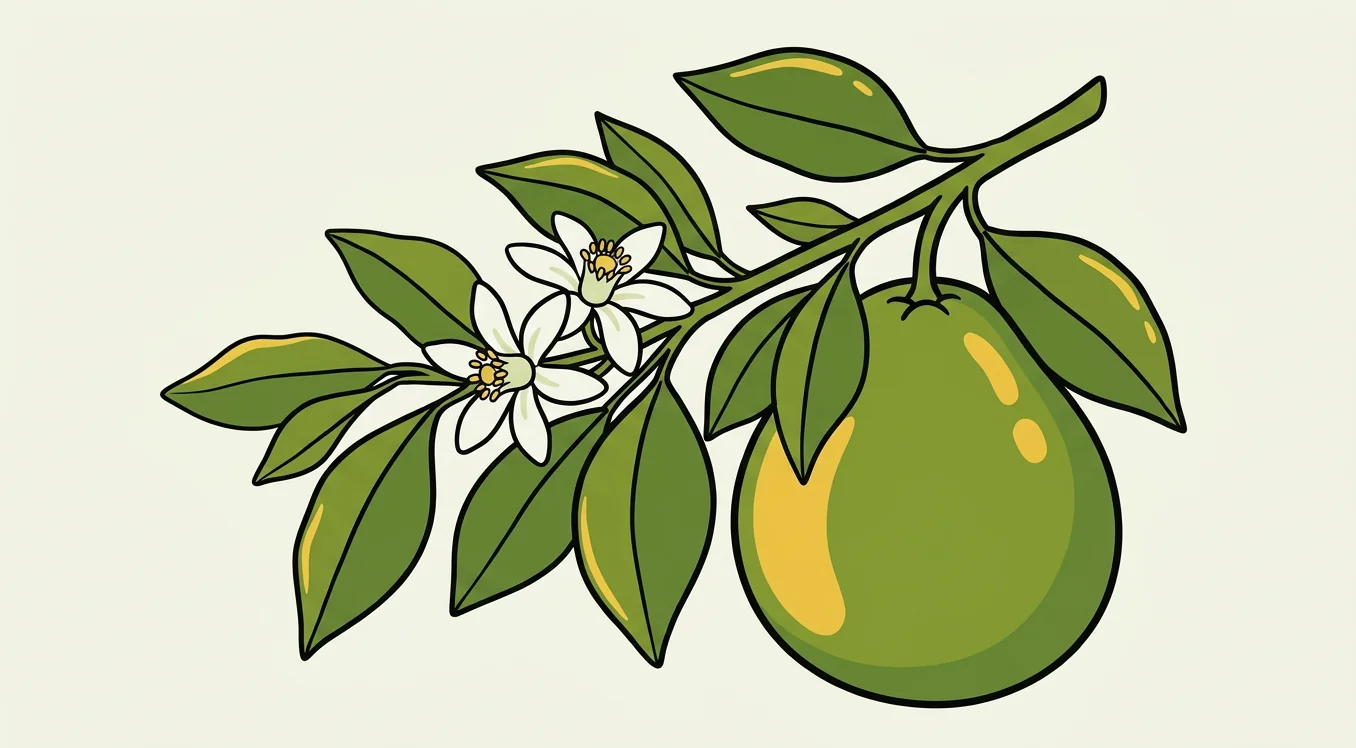
The pomelo tree (Citrus maxima) produces the largest fruit of any citrus species. Individual fruits can weigh over 4 pounds and measure nearly a foot across. Native to Southeast Asia, this tropical evergreen has been cultivated for thousands of years and is one of the three original citrus species from which all other citrus hybrids descend.
This guide covers growing conditions, care, fruiting, varieties, and container growing for pomelo trees.
About Pomelo Trees
Pomelo trees combine ornamental beauty with edible fruit production. The basics:
- Scientific name: Citrus maxima (syn. Citrus grandis)
- Family: Rutaceae
- Origin: Southeast Asia (Malaysia, Indonesia, Thailand)
- Type: Evergreen tree
- Mature height: 15 to 25 feet (standard); 8 to 12 feet (dwarf)
- Spread: 15 to 20 feet
- Leaves: Large, glossy, dark green (4-8 inches long)
- Flowers: Large, fragrant white blossoms
- Fruit: Round to pear-shaped, 6 to 12 inches in diameter, thick rind
Pomelo is one of the original, non-hybridized citrus species. It’s the primary ancestor of the grapefruit (a natural cross between pomelo and sweet orange) and has contributed genetic material to many modern citrus cultivars. To learn more about the fruit itself, see our guide on what is a pomelo.
The tree’s large, glossy leaves and intensely fragrant white flowers make it attractive as a landscape specimen even before it begins producing fruit.
Growing Conditions
Getting the growing conditions right is the most important factor in pomelo tree success. These are tropical trees with specific environmental needs.
Climate and Hardiness Zones
Pomelo trees thrive outdoors in USDA zones 9 through 11. They prefer warm, humid climates and are among the more cold-sensitive citrus species.
- Ideal temperature range: 75-95°F (24-35°C) during the growing season
- Minimum safe temperature: 28-32°F (-2 to 0°C) — even brief exposure below freezing can damage foliage and kill young trees
- Frost tolerance: Low. Mature trees can survive brief, light frosts but will suffer branch dieback below 25°F
Gardeners in USDA zones 9a and 9b should provide frost protection during cold snaps. In zones 8 and below, container growing with winter indoor protection is the only reliable option. See our pomelo growing zones guide for a full regional breakdown.
Sunlight
Pomelo trees require full sun — a minimum of 6 to 8 hours of direct sunlight per day. More is better. Insufficient light leads to leggy growth, poor flowering, and reduced fruit production.
Position your tree on the south or southwest side of your property for maximum sun exposure. Avoid planting near tall structures or large trees that cast shade during any part of the day.
Soil
Pomelo trees need well-draining, slightly acidic soil with a pH between 5.5 and 6.5.
Key soil requirements:
- Drainage: This is non-negotiable. Pomelo roots will rot in waterlogged soil. If your native soil is heavy clay, consider planting on a raised mound or in a raised bed with amended soil.
- Texture: Sandy loam or loamy sand is ideal. Mix in compost or aged bark to improve structure if needed.
- pH: Test your soil and amend with sulfur to lower pH or lime to raise it if necessary. Most nurseries carry citrus-specific soil amendments.
Avoid planting in low-lying areas where water collects after rain.
Watering
Pomelo trees need consistent, regular watering but cannot tolerate standing water around their roots.
- Newly planted trees: Water deeply 2-3 times per week for the first year to establish the root system.
- Established trees: Water deeply once per week during the growing season. Reduce frequency in winter when growth slows.
- Key principle: Water deeply and infrequently rather than shallowly and often. Deep watering encourages roots to grow downward, producing a more drought-resilient tree.
Apply a 3-4 inch layer of organic mulch (wood chips, bark, or composted leaves) around the base of the tree, keeping it 6 inches away from the trunk. Mulch conserves moisture, moderates soil temperature, and suppresses weeds.
Pomelo Tree Care
Once established, pomelo trees are relatively low-maintenance. Focus on these four areas for healthy growth and consistent fruit production.
Fertilizing
Pomelo trees are moderate to heavy feeders that benefit from regular fertilization.
- Fertilizer type: Use a citrus-specific fertilizer with an NPK ratio like 6-4-6 or 8-4-8 that includes micronutrients (iron, zinc, manganese, and magnesium).
- Frequency: Apply 3 times per year — in early spring (February-March), early summer (May-June), and early fall (September).
- Application: Spread granular fertilizer evenly under the canopy, extending to the drip line. Water thoroughly after application.
- Young trees (1-3 years): Use half the recommended rate and apply smaller amounts more frequently (4-5 times per year) to avoid root burn.
Signs of nutrient deficiency include yellowing leaves (nitrogen or iron), poor fruit set (phosphorus), and small, pale fruit (potassium).
Pruning
Pomelo trees require only light, selective pruning rather than heavy structural cuts.
- When: Prune in late winter or early spring, before the new growth flush.
- What to remove: Dead, damaged, or diseased branches; water sprouts (vigorous vertical shoots); crossing or rubbing branches; any growth below the graft union on grafted trees.
- Shape: Maintain an open vase shape that allows sunlight and air circulation into the interior canopy. This reduces disease pressure and promotes even fruit ripening.
- Avoid: Heavy pruning, which stimulates excessive vegetative growth at the expense of fruiting. Never remove more than 20-25% of the canopy in a single season.
Pest and Disease Management
Common pomelo tree pests and diseases include:
Pests:
- Citrus leaf miner — serpentine trails on young leaves. Treat with horticultural oil or spinosad.
- Aphids — clusters on new growth. Blast with water or apply insecticidal soap.
- Scale insects — hard or soft bumps on stems and leaves. Treat with horticultural oil.
- Asian citrus psyllid — vector for citrus greening disease (HLB). Report sightings to your local agricultural extension office.
Diseases:
- Citrus canker — raised, corky lesions on fruit, leaves, and stems. Remove and destroy affected material. Copper-based fungicides can help prevent spread.
- Root rot (Phytophthora) — caused by overwatering or poor drainage. Ensure proper soil drainage and avoid irrigation against the trunk.
- Citrus greening (HLB) — asymmetrical yellowing of leaves, misshapen fruit. No cure exists; infected trees should be removed to prevent spread.
The best defense is prevention: proper watering, good drainage, adequate spacing for air circulation, and regular monitoring.
Cold Protection
For growers in USDA zone 9 or borderline areas, cold protection can mean the difference between a thriving tree and a dead one.
Strategies for frost protection:
- Wrap the trunk with insulating material (tree wrap, burlap, or frost cloth) from ground level to the first scaffold branches.
- Cover the canopy with frost cloth or blankets when freezing temperatures are forecast. Remove coverings once temperatures rise above freezing.
- Use string lights or incandescent bulbs under the canopy cover to generate warmth on the coldest nights. LED lights do not produce enough heat.
- Water the soil thoroughly before a freeze event. Moist soil retains and releases more heat than dry soil.
- Plant against a south-facing wall to benefit from reflected and radiated heat.
Young trees (under 3 years) are significantly more cold-sensitive than mature specimens and deserve extra protection.
Pomelo Tree Size and Growth Rate
Understanding the growth timeline helps set realistic expectations.
| Metric | Standard Tree | Dwarf Variety |
|---|---|---|
| Mature height | 15-25 feet | 8-12 feet |
| Canopy spread | 15-20 feet | 8-12 feet |
| Growth rate | 1-2 feet/year | 0.5-1 foot/year |
| Years to fruit (from seed) | 8-10 years | 6-8 years |
| Years to fruit (grafted nursery tree) | 3-5 years | 2-3 years |
| Productive lifespan | 50+ years | 30-40 years |
Grafted trees from a reputable nursery are strongly recommended over seed-grown trees. Grafting not only shortens the time to first fruit by 5-7 years but also ensures the fruit is true to the parent variety. Seed-grown pomelos may produce fruit that differs significantly from the parent in taste, size, and quality.
For those interested in the seed route despite the longer timeline, see our guide on growing pomelo from seed.
When Do Pomelo Trees Bear Fruit?
Pomelo flowering and fruiting follow a predictable annual cycle, though the timing varies by climate and variety.
Flowering: Pomelo trees bloom primarily in spring (March-May in the Northern Hemisphere). The large, fragrant white flowers are self-fertile but produce better yields with cross-pollination from another citrus tree nearby.
Fruit development: After successful pollination, pomelo fruits take approximately 5 to 6 months to reach maturity. This is one of the longer development periods among citrus species, reflecting the fruit’s exceptional size.
Harvest window: Most pomelos are ready for harvest from November through February, depending on variety and local climate. In tropical climates, some varieties may produce fruit year-round.
Yield: A healthy, mature pomelo tree can produce 50 to 150 fruits per year. Younger trees and dwarf varieties produce less. Peak production typically occurs between years 10 and 25.
Signs that fruit is ready to harvest include a slight softening of the rind, a yellowing of the skin (from green to pale yellow or golden), and a fragrant aroma at the stem end. Check our pomelo buying guide for more on seasonal availability.
Popular Pomelo Tree Varieties for Home Growing
Choosing the right variety for your climate and space is critical. Here are the most popular options for home growers.
Chandler — The most widely grown pomelo variety in the United States, particularly in California. Pink-fleshed with a sweet, mild flavor and relatively few seeds. Good heat tolerance. This is the default recommendation for most home growers. Learn more in our Chandler pomelo guide.
Valentine (Cocktail Pomelo) — A pomelo-mandarin hybrid developed at UC Riverside. Produces smaller fruit that’s intensely sweet with an orange-pink flesh. Highly ornamental with a compact growth habit. Excellent for smaller spaces.
Hirado Buntan — Originally from Japan, this variety is more cold-tolerant than most pomelos, surviving temperatures slightly below those that would damage other cultivars. Yellow-fleshed with a balanced sweet-tart flavor. A good choice for gardeners in USDA zone 9a who want to push the limits.
Tahitian (Sarawak) — A classic Southeast Asian variety with green-to-yellow skin and pink flesh. Excellent flavor but requires consistent tropical warmth. Best for zones 10-11 or greenhouse growing.
Dwarf varieties — Several pomelo varieties are available on dwarfing rootstock, keeping mature height to 8-12 feet. These are ideal for container growing or small garden spaces while still producing full-size fruit.
Growing Pomelo Indoors
Gardeners in colder climates can successfully grow pomelo trees in containers, though yields will be smaller than outdoor-grown trees.
Container selection. Start with a 15-20 gallon pot with ample drainage holes. As the tree grows, plan to repot into progressively larger containers (up to 25-30 gallons). Use heavy pots (ceramic or thick plastic) that won’t blow over.
Potting mix. Use a well-draining citrus or cactus potting mix. Avoid standard potting soil, which retains too much moisture. You can make your own by mixing equal parts quality potting soil, perlite, and pine bark fines.
Variety choice. Choose a dwarf variety grafted onto dwarfing rootstock. Dwarf Chandler is the most widely available and a reliable performer in containers.
Light requirements. Indoor pomelo trees need at least 6 hours of direct sunlight from a south-facing window. In most northern climates, supplemental grow lights are necessary during winter months. Position full-spectrum LED grow lights 12-18 inches above the canopy for 10-12 hours daily.
Temperature and humidity. Keep indoor temperatures between 60-85°F. Pomelos prefer humidity above 50% — use a humidifier or pebble tray if indoor air is dry, especially during winter heating season.
Fruit production. Container-grown pomelos will fruit, but expect smaller yields (10-30 fruits per year) and potentially smaller fruit than outdoor trees. Hand-pollinate flowers with a small paintbrush to improve fruit set indoors.
Moving outdoors. If possible, move container pomelos outdoors during warm months (once nighttime temperatures consistently exceed 55°F). Acclimate gradually over a week by placing in partial shade before moving to full sun.
FAQ
How long until a pomelo tree fruits?
A grafted pomelo tree purchased from a nursery typically produces its first fruit within 3 to 5 years of planting. Trees grown from seed take significantly longer — usually 8 to 10 years — and the fruit may not be true to the parent variety. For the fastest path to fruit, buy a 2-3 year old grafted tree.
Can you grow pomelo in a pot?
Yes. Dwarf pomelo varieties do well in large containers (20-30 gallons). Use well-draining citrus potting mix, ensure the pot has drainage holes, and provide at least 6 hours of direct sun. Container trees will produce fruit but at lower yields than in-ground trees. Move the pot indoors before the first frost if you live in a cold climate.
How big does a pomelo tree get?
A standard pomelo tree reaches 15 to 25 feet tall with a canopy spread of 15 to 20 feet at maturity. Dwarf varieties on dwarfing rootstock stay in the 8 to 12 foot range, making them more practical for home gardens and container growing. Annual growth rate is approximately 1-2 feet for standard trees.
Can you grow pomelo from seed?
Yes, but there are trade-offs. Pomelo seeds germinate readily and growing from seed is a fun project, but seed-grown trees take 8-10 years to fruit and the resulting fruit may differ from the parent in quality and flavor. Grafted nursery trees are far more practical for anyone whose primary goal is fruit production. See our guide on growing pomelo from seed for step-by-step instructions.
Last updated March 9, 2026